Homeowner Roof Inspection Checklist
Roof inspection checklist for homeowners: what to look for inside and out, from shingles to flashing. Use it before calling a roofing professional.
- Phone-only — no forms to fill in
- Plain-language roofing guides
- Availability checked on the call

Why Inspect Your Roof — and When
A lifted shingle, a cracked piece of flashing, or a gutter full of leaves may not cause a leak today, but given a season of heavy rain and strong wind — both normal in Phenix City, Alabama's humid subtropical climate — they can. A regular homeowner inspection is the simplest way to catch those small problems while they are still small.
This checklist covers what you can safely check from the ground and from inside the attic, without climbing onto the roof. It is not a substitute for a professional roof inspection. Use it twice a year, and after any period of heavy rain or strong wind.
You will need binoculars, a torch, and a phone for photos. Never walk on your roof, and never use a ladder in wet or windy conditions.
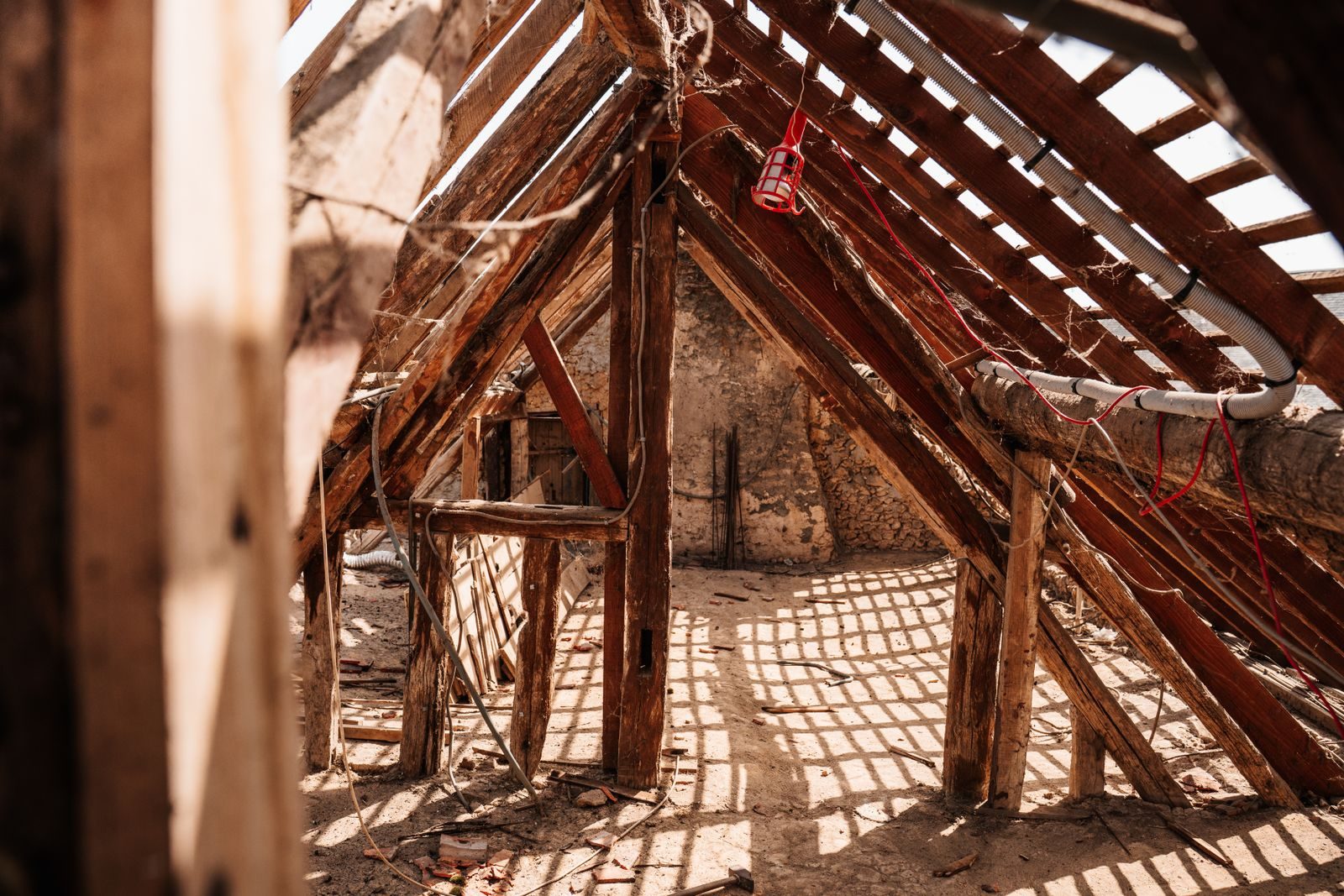
Before You Start: Safety Rules
- Stay off the roof. Roofs can be slippery, steep, or weaker than they look, and walking on shingles can damage them. Inspect from the ground and from the attic.
- Use a ladder safely, or not at all. If you use a ladder to look at gutters, make sure it is stable, on level ground, and held or secured. Do not lean out or overreach.
- Be careful in the attic. Walk only on joists or a proper attic floor, never on insulation or ceiling plaster.
- Watch for electricity and sagging ceilings. If water is dripping near light fittings or a ceiling is bulging, keep clear and arrange professional help.
- Do not inspect in bad weather. Wait until rain and wind have passed and surfaces are dry.
Part 1: The Exterior Check (From the Ground)
Walk around the house and look at the roof from each side, using binoculars. Take photos of anything that looks wrong.
Shingles and roofing material
- [ ] Any shingles missing entirely?
- [ ] Any shingles cracked, broken, or torn?
- [ ] Any shingles curling at the edges or cupping in the middle?
- [ ] Any shingles that look lifted, especially along edges and ridges?
- [ ] Any patches where the roof looks a different colour, or where granules have worn away leaving dark areas?
- [ ] Any loose, cracked, or missing tiles, if your roof is tiled?
- [ ] Any debris on the roof — branches, leaves, or anything that could trap water?
A few damaged shingles usually point to a localised repair; widespread curling or granule loss suggests the material is ageing generally. See signs you need roof repair.
Flashing, valleys, and joints
Flashing is the thin waterproof material fitted around chimneys, vents, skylights, and anywhere the roof meets a wall. Valleys are the channels where two roof slopes meet. Both are places where leaks commonly start.
- [ ] Is any flashing bent, loose, lifted, or rusted?
- [ ] Are there gaps or cracked sealant around chimneys, vents, or skylights?
- [ ] Are the valleys clear of leaves and debris, or blocked?
- [ ] Is there any visible damage where the roof meets a wall, such as a dormer or an extension?
Leaks around a chimney or vent are often flashing problems, and they usually need a proper refit rather than sealant alone.
Gutters and downspouts
- [ ] Are gutters clear, or full of leaves and debris?
- [ ] Are any gutters sagging, pulling away from the house, or leaking at joints?
- [ ] Are downspouts clear and directing water away from the house?
- [ ] Is there a large amount of coarse, sand-like granules in the gutters or at the bottom of downspouts?
Heavy granule build-up can mean shingles are wearing thin. Blocked gutters can cause water to back up under shingles.
Part 2: The Attic Check (From Inside)
The attic often reveals problems before they show up on a ceiling. Go in on a bright day with a torch, and turn the torch off for a moment to check for daylight.
- [ ] Can you see pinpoints of daylight through the roof boards? Small points of light can indicate holes or gaps.
- [ ] Is any insulation wet, damp, compressed, or stained?
- [ ] Is there staining, darkening, or dampness on the rafters or the underside of the roof deck?
- [ ] Is any decking bowed, sagging, or soft to the touch? Do not step on it.
- [ ] Is there a musty smell, or any sign of mould or mildew?
- [ ] Is there condensation on the underside of the deck, or on nails and metal fittings?
- [ ] Can you feel air moving through the attic, or does it feel hot and stuffy?
Ventilation matters: a hot, stuffy attic, or condensation in cooler weather, can mean the attic is not ventilating properly.
When to Call a Professional
A homeowner checklist is for spotting problems, not for fixing them on the roof. Arrange a professional roof inspection if you found any warning signs in this checklist; the roof is older, or you do not know its age; the roof has leaked before, or leaks in more than one place; you can see sagging, daylight through the boards, or widespread shingle wear; you are buying or selling the home; or you are trying to decide between a roof repair and a roof replacement — our comparison of roof repair vs. replacement explains the factors involved.
When you call, have ready your town, what you noticed and where, whether water is actively coming in, and the age of the roof if you know it.
Frequently Asked Questions
How often should a homeowner inspect their roof?
A visual check from the ground and the attic twice a year — for example in spring and autumn — is a sensible routine, plus a shorter check after heavy rain or strong wind. A professional inspection is worth arranging if you spot any warning signs, if the roof is older, or if you are buying or selling a home.
Do I need to climb onto my roof to inspect it properly?
No. A homeowner inspection should be done from the ground with binoculars and from inside the attic. Walking on a roof is risky, and it can damage shingles. A professional inspector has the equipment and experience to check the roof surface safely — leave the on-roof part to them.
What is the most important thing to check in the attic?
Look for daylight through the roof boards, wet or stained insulation and decking, and signs of poor ventilation such as condensation or a hot, stuffy atmosphere. The attic often shows a leak before it appears on a ceiling, so it is one of the most useful places to check.
How do I know if granules in the gutters are a problem?
Some granule loss is normal, especially on a newer roof. A problem is more likely if you regularly find large amounts of coarse granules in the gutters or at the bottom of downspouts, or if the shingles look patchy and bare. If you are unsure, take a photo and mention it when you arrange an inspection.
Call (334) 772-1151 to discuss your roofing needs or check service availability in Phenix City and nearby Alabama communities.
We provide local roofing information and may connect homeowners with independent roofing service providers. Service availability depends on the provider and location.
Talk Through Your Roofing Needs
Call to describe your roof and check service availability in your area. There is no form to fill in and no obligation from calling.
We provide local roofing information and may connect homeowners with independent roofing service providers. Service availability depends on the provider and location.